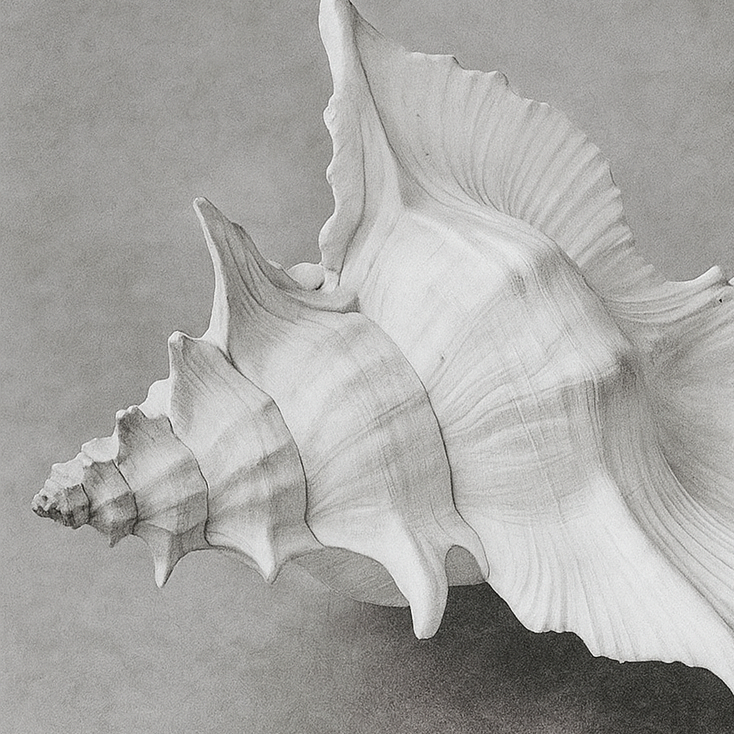
Black and white close-up photograph of a large conch sea shell lying on its side against a soft, neutral background
black and white grove of tall palm trees against the sky and green hills

[EVERYDAY]

[SENSORY]

[JOURNAL]

A journal of everyday sensations and observations, collecting moments, moods and visual impressions without instruction or performance — only presence and attention. No system, no lessons — just what was seen, heard, felt

learn more >>

  • word of the day: kalsarikännit

    kalsarikännit

    /ˈkɑlsɑriˌkæn:it/

    The feeling when you are going to get drunk home alone in your underwear – with no intention of going out.

    Seriously? That specific? I have the feeling someone had been spying on my usual life moment and decided to give it a name.

    Turns out it’s not my personal quirk at all, but an actual Finnish tradition. In other cultures, this is either judged as “drinking alone at home” or vaguely called “relaxing with a drink” — but without that cozy, carefree combo of underwear + zero plans + being completely fine with it. Finns, apparently, turned it into an art form of relaxation.

    I really thought it was just me. And then I find out there’s a whole word for it. So clearly, it’s more common than we think.

    Well… what can I say? Perfect. Now we officially have a name — and an excuse — for being pleasantly antisocial with a glass of wine. Or whatever you’re into.

  • Laurel or Yanny

    Laurel or Yanny

    I suddenly remembered that audio illusion — Laurel or Yanny. If you don’t know what I’m talking about, this is the exact recording people have been arguing about for years over what they hear.

    I always hear Laurel. No matter how hard I try to hear it differently — I just can’t. And honestly, I don’t understand how anyone could hear something else. I mean, Yanny? That’s a completely different word. How is that even possible? So I went to read the comments and let my friends listen to it. And guess what…There really are people who hear Yanny. It’s kind of mind-blowing.

    It turns out there aren’t two different words in the recording. It’s the same sound, but it contains both low and high frequencies at the same time. Some ears are better at picking up higher frequencies — and then it sounds like “Yanny.” Others catch the lower ones more easily — and then it sounds like “Laurel.” 

    On top of that, headphones matter, volume matters, and even the moment when you listen matters. Your brain tries to recognize a familiar word and simply “chooses” the one that’s easier for it to hear. So people really do hear different things, even though the sound itself is exactly the same. I find that fascinating.

  • How Homes Feel

    How Homes Feel

    I’ve spent nights in many different homes — staying over at friends’ places, with acquaintances. And every time, I was struck by how different the feeling of a space can be.

    There are homes where, the moment you step inside, you feel a kind of fuss. Even if everyone is kind and welcoming, the atmosphere still feels tense. You wake up in the morning and instead of calm, you feel anxiety right away, as if you’re late for something, even though the day has just begun. Cupboards slam, pots clang, the washing machine roars at full speed, a spoon hits the metal sink with that sharp, irritating sound. You haven’t even fully opened your eyes yet, but you already feel guilty for still being in bed. You think: my God, what is going on?

    And then there are completely different homes. Everything there moves slowly and quietly. You wake up in blissful silence and think, did I wake up before everyone else? You step out of the room, and the table is already set, breakfast is ready. Someone is sitting and reading the newspaper, someone quietly makes you tea. You didn’t even hear any of it being prepared. You only feel the scent. The scent of coffee. The scent of freshly baked bread from the bakery downstairs.

    These two kinds of homes feel like two different worlds. In one, you’re pulled into stress and anxiety from the very first morning moments. In the other, everything feels as if it’s happening in slow motion — a sweet serenity, a deep, gentle calm.

    Every home has its own rhythm. And that rhythm quietly seeps into you.

  • strange darling: a movie you feel through music

    strange darling: a movie you feel through music

    // love hurts, love scars…(c)

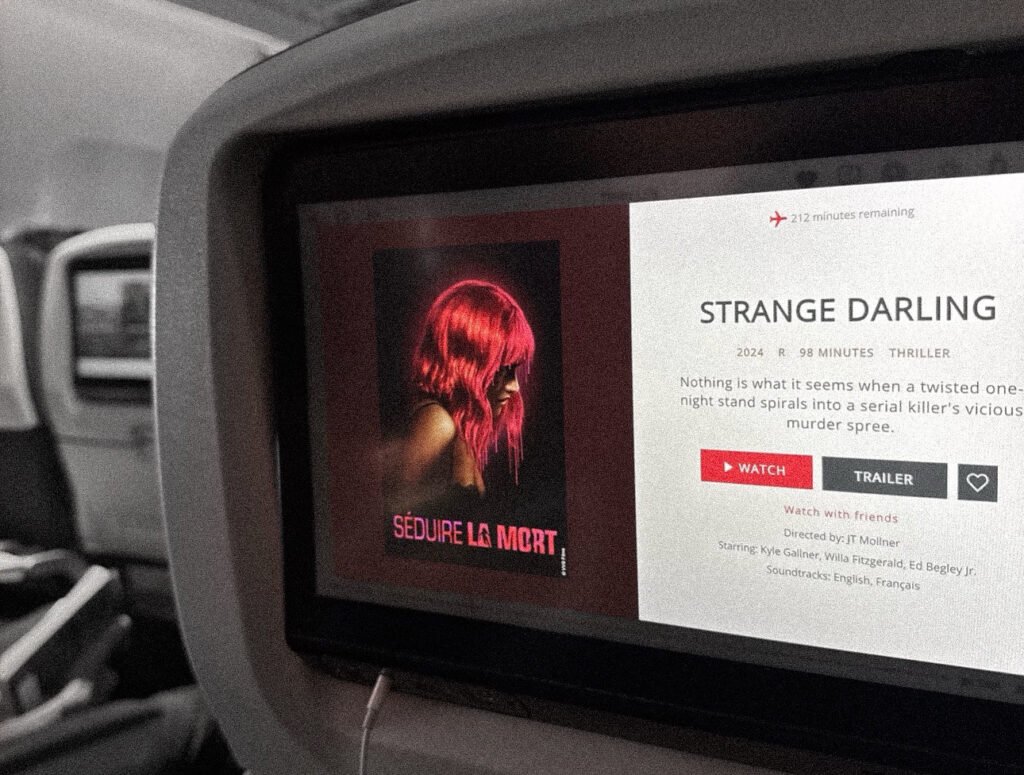
    Two minutes…That’s how long it took after pressing play for me to start googling the soundtrack. I still don’t really get why I kept putting this movie off. The music is insanely good. And the movie itself too. If you haven’t seen it yet, honestly, just trust me, it’s worth it. And the less you know before you start, the better it works. Seriously. Don’t watch the trailer, don’t google the plot, the cast, or the reviews. Just turn it on and let it pull you in — the tension, the visuals, the sound. It’s not really about what happens. It’s about how it feels. This isn’t a movie you watch and think, “yeah, that was nice.” It’s more about the tension. You’re done watching, but it doesn’t let go right away, stays in your head long after the movie ends.

    A lot of that comes from the music by Z Berg. It isn’t just background sound, it’s woven into the story itself. Quiet, acoustic ballads that sound like they could’ve been recorded in the ’70s on old tape, but without that dusty, overdone retro feeling. Somehow they still sound clean and current. Vintage, but sharper than nostalgic. Everything feels very deliberate, very precise.

    I really wish I could watch this again in a movie theater on a big screen, with that full, immersive sound you can feel vibrating through your body.

    // What it awakens:

    ∙ nostalgia
    ∙ a subtle, hard-to-explain anxiety
    ∙ the urge to rewatch it
    ∙ wanting to play the music out loud, not in headphones
    ∙ the need to drive somewhere at night, for no real reason

  • #1 Unpacking the last box

    Happiness is unpacking the last box.

    Not the one with plates or bathroom bottles, but the very last one. The box that sat in the corner for weeks. The one you promised yourself you’d unpack tomorrow, and every “tomorrow” quietly turned into the day after.

    And then you’re sitting on the floor, tearing off the tape, pulling out the final random things: an old notebook, a few empty jars, some cables you have no idea what they belong to. And suddenly you realize — that’s it. No more boxes. Everything has its place. Or at least nothing is screaming for attention anymore.

    That moment when a home stops feeling like a storage unit and starts feeling like a place you actually live in. When you can lie down on the couch without thinking, “there’s still a box in the hallway.”

    Pure bliss!

  • Strange Darling: Terribly Beautiful. Humidly Unsettling

    Strange Darling: Terribly Beautiful. Humidly Unsettling

    // not all who run are victims

    This movie had been sitting on my watchlist for a long time, and for some reason I kept postponing it, saving it for one of those moments when there’s absolutely nothing left to watch. And then, not long ago, I stumbled upon it during a flight and thought, fine, I’ll finally give it a go.

    And you know how there are movies that don’t just “entertain” you, but get under your skin and stay there, like a splinter you can’t ignore? Strange Darling is exactly that kind of movie.

    It was shot on real 35mm film, and you can feel it immediately. The image is gorgeous—warm, slightly vintage, like watching an old VHS tape from the ’90s. Muted colors, visible film grain, none of that clean digital sterility. Everything is intentionally old-fashioned, and it works incredibly well.

    What really hooked me is that the movie doesn’t move in a straight line. The storytelling is nonlinear—scenes are shuffled, like fragments of flashbacks. And it’s not done for style points. It genuinely heightens the tension. I kept revising my own judgment of what was happening. Who’s the victim? Who’s more dangerous? Or maybe nothing is what it seems? It feels like a Tarantino-style thriller, but without his trademark chaos. Here, everything is tense—almost stretched tight, like a wire about to snap. They take the classic “maniac and girl” setup and slowly, carefully turn it inside out.

    The music is almost a character of its own. Very atmospheric, old-school in spirit, but not cliché. The tracks are woven into the story rather than just playing in the background. The actors deserve a separate mention. The chemistry between them is palpable. And Kyle Gallner’s porn-stache alone could stop your heart—he’s dangerously bad-boy charming. After this movie, I immediately wanted to watch everything he’s ever been in.

    Love… doesn’t have to be something that develops. The purest, most primal kind can hit you like a wave… in a moment … or over the course of one night.”

    — The Lady, Strange Darling

    I wouldn’t call the movie deep, but it definitely has its own temperature. Somewhere around a scorching car hood after a high-speed chase. The plot, for me, isn’t the main thing here. The feeling is. A mix of adrenaline, mild discomfort, and that lingering thought: damn, that was good.

    // WHAT IT AWAKENS

    ∙the urge to watch every movie with Kyle Gallner
    ∙ a soundtrack you didn’t expect to carry with you all week
    ∙ VHS-shaped nostalgia
    ∙ a quiet whisper in your head: “watch it again”
    ∙ the subtle desire to visit a small American town and just watch someone fix a car outside a motel

  • from craft to patty: doner in canada

    from craft to patty: doner in canada

    If you’re in Canada and decide to grab a doner kebab to relive the taste of Berlin, Istanbul, or at least a decent European Imbiss — prepare for disappointment. In 9 out of 10 cases, what you’ll get has nothing to do with a real doner except the word on the sign. The difference is like a real campfire versus a looping “fireplace” video on YouTube.

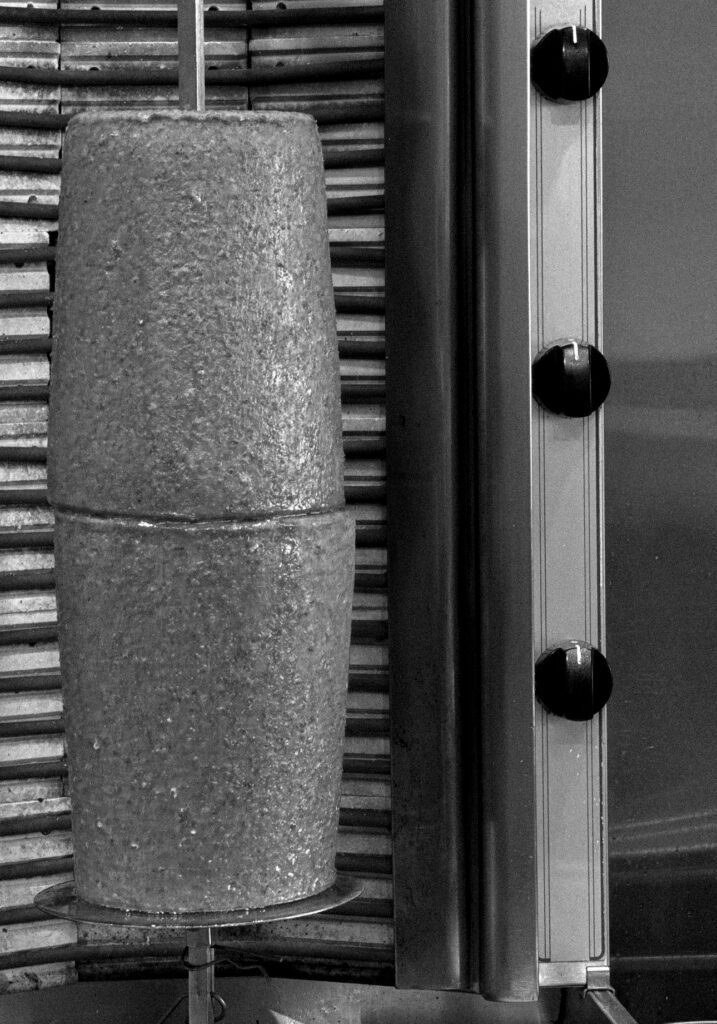
    A real doner is layers of meat, carefully marinated with spices, neatly stacked on a vertical spit and slowly roasted. It’s shaved off in thin, juicy slices. The fat drips, the spices bloom, the smell of smoke and roasted meat fills the street. And then it’s in your hands — hot, barely holding together flatbread, fresh vegetables, tomatoes, onions, a thick garlicky yogurt sauce, and actual meat. Not minced. Not some processed loaf. Real meat that roasted, sizzled, dripped fat, and smelled insanely good.

    And most importantly — a real doner isn’t made by just anyone. In Turkey, stacking the meat is a profession. There’s a doner ustası — a master whose hands have years of experience. He’s responsible for everything: choosing and cutting the meat, the marinade, the way the layers are built on the spit, controlling the heat and rotation speed, and slicing it perfectly thin right in front of you. It’s a craft. And trust me, you don’t just let some random guy off the street do this. Skill is passed down, and stacking the meat properly takes experience. One wrong layer and the whole spit can collapse or dry out.

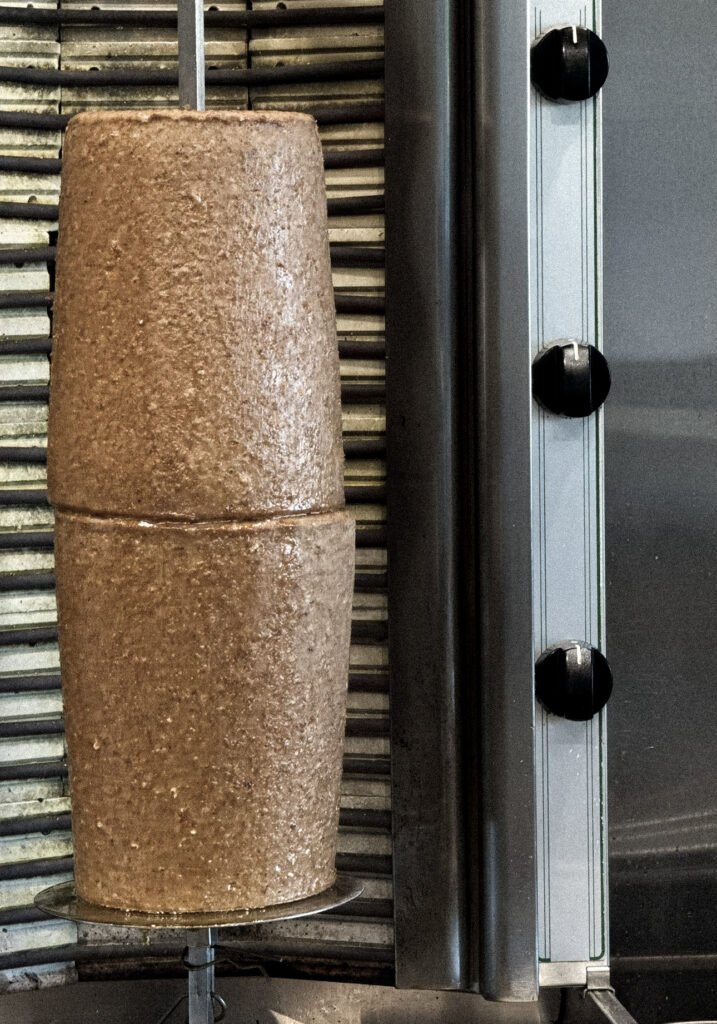
    And in Canada? You look at the spit and it’s just one giant patty. A smooth, sad cylinder of pressed minced meat. These things are made in advance, frozen, and shipped all over the country. Probably because it’s fast, cheap, and there’s no risk someone forgets to marinate the meat.

    They slice it — and you get crumbs or dry chunks, with none of that juiciness or layered texture. The aroma? If you’re lucky, it just smells like meat. More often, it smells like reheated fast food. The sauce is either sickly sweet (hello, Canadian donair sauce made with condensed milk) or some mayo-ketchup mix. You eat it and honestly don’t understand what you’re eating. Meat? Soy protein? What is this even? Flavor — zero. Smoke — none. Crispy edges…only in your imagination.

    And maybe it’s not about bad doner at all, but about how entire cultures get reduced to something simple, convenient and completely tasteless.

  • numéro: every page like a gallery

    numéro: every page like a gallery

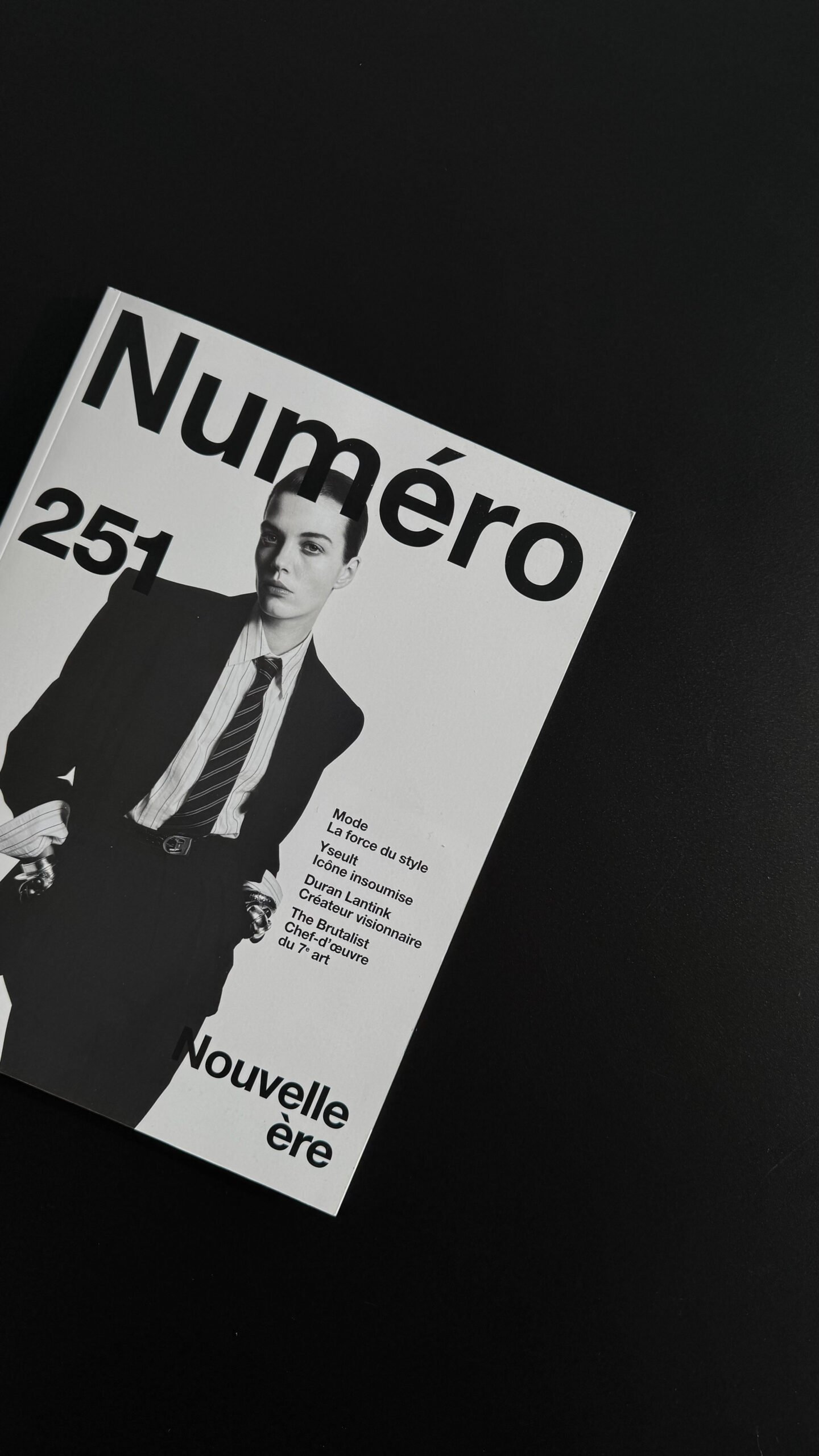
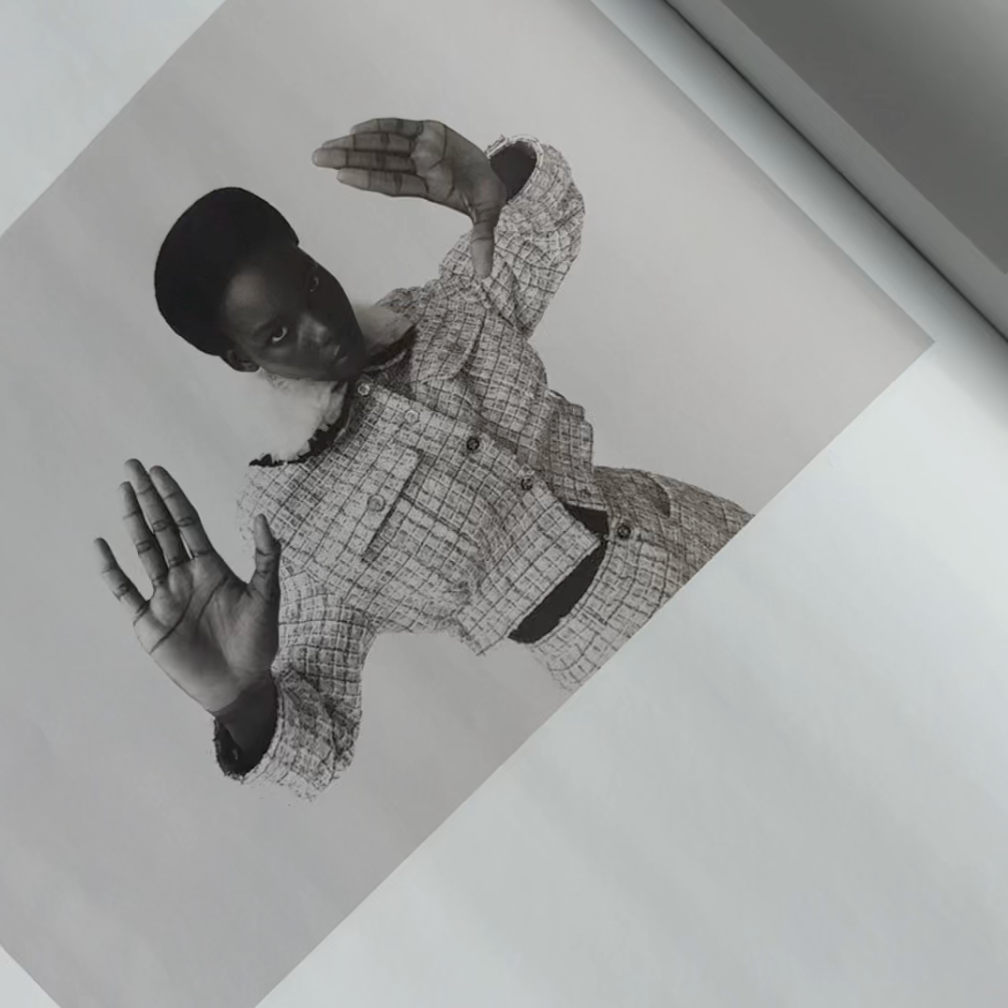
    Numéro is one of the most iconic fashion magazines in the world. But for me, Numéro isn’t really a magazine. It’s a perfectly legal way to get a hit of visual pleasure. It inspires even without reading, just by flipping through. I know a lot of people genuinely don’t get why anyone would spend money on paper in 2026 when everything exists digitally. All I can do is shrug and say: sometimes you just need to zone out like this and feel that the world can still be insanely beautiful.

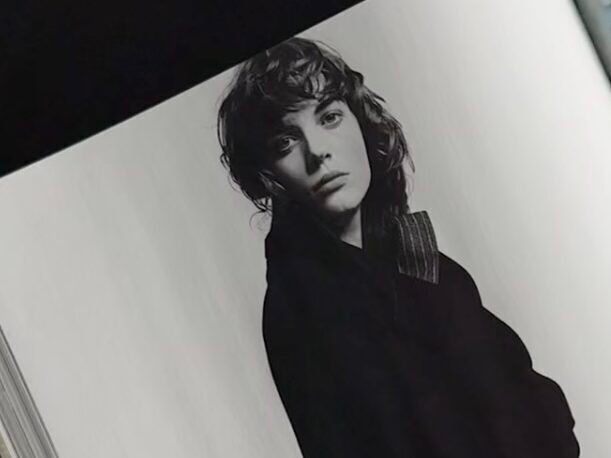
    So what’s the actual pleasure of a physical magazine for me? First of all, it’s not scrolling. You’re holding a heavy glossy object. You feel the paper, the weight, the smell of fresh print. And you’re instantly pulled in. The photos are huge, often full-bleed spreads, with impeccable print quality. The light in them makes you want to touch it — sharp shadows, hard highlights that feel like they’re hitting you straight in the face. Models stand in poses that literally take your breath away: sometimes uncomfortably close, sometimes cold and distant. Skin shines. Clothes cling or hang dramatically. Black is everywhere — deep, matte, glossy, all at once.

    And the way the text lives on the page. Sometimes massive letters cover half the image. Sometimes tiny type hides in a corner. It’s both aggressive and elegant at the same time. The empty space around everything feels heavy — it forces you to stop and stay with the image longer. The spreads are their own trip: one page black-and-white, the other in color, the transition so abrupt it clicks somewhere inside you.

    Every time I stumble on an image that hits especially hard — a radically mutated silhouette, or a body bent into something alien — I feel an actual wave go through my body. Warmth, goosebumps, that full-body reaction. Not sexual — purely visual. Like the brain just drowns in beauty and everything else shuts off.

    I can sit for hours, flipping back and forth, returning to the same page again and again. The smell of paper, the weight in my hands, the soft sound of turning pages — all of it matters. Moments like this make it very clear why glossy magazines still exist. They’re not about information. They exist so you can get lost in images where every detail is intentional — from the model’s posture to the way the shadow falls.

    You flip through and get pure visual pleasure: black-and-white silhouettes, dramatic lighting, leather, edge, mutated silhouettes. For me, this is a magazine for people who value fashion not as clothes, but as a statement — as art and atmosphere.

    And yes, after that you open other glossy magazines and think, well… this just isn’t it. A classic that still holds the bar very high.

    // What it awakens

    a desire to wear black and not explain
    a craving for leather, light, shadows, and edge
    a fascination with imagery as art
    feeling fashion as a mood, not a trend

  • separate the art from the artist

    separate the art from the artist

    // sometimes it’s better not to know the author to enjoy the book (c)

    There’s this idea that art should exist separately from its creator. And in theory, it makes sense. If a song, a book, or a film really hits you — why should it matter what kind of person made it? They can be a complete jerk. The work still works. Sounds logical, right? But in real life, it doesn’t always work that way.

    Sometimes you genuinely like someone. An actor, a writer, a blogger, a musician — whoever. They just click. They inspire you, spark interest, feel close somehow. And then you randomly stumble upon an interview, a tweet, a comment. You learn a bit more about them. How they think. What they say. What they believe. And at some point you catch yourself thinking: damn, I wish I didn’t know that.

    What’s interesting is that it’s often not about what they said. It’s about the mismatch. Their values, their way of thinking, their worldview just don’t line up with yours anymore. And that’s it. The magic breaks. No one owes anyone anything — but the pleasure is slightly ruined.

    There’s even that saying: if you don’t want to spoil a book, don’t google the author. And honestly, in about 80% of cases, I don’t. If a book, a film, or a track really lands for me, I leave it alone. It’s not about being naive or “not wanting to know the truth.” It’s about not killing an experience with unnecessary information. It’s just a way of keeping distance. Because sometimes an image works only as long as you don’t know too much.

    But sometimes it works the other way around. Someone exists somewhere in the background. You don’t really care. Maybe you don’t even know who they are. And then — one video, one interview, one honest answer — and suddenly you see them differently. Not with admiration. Not with awe. Just with respect. And somehow their work tastes better because of it.

    At some point you realize something simple: we almost never like people as a whole. We attach ourselves to an image. To the way someone fits into our values, mood, or needs at a specific moment in life. And when that alignment ends, the interest ends too. The taste fades. And that’s normal.

    Not everything has to last forever. And not everything that once deeply moved us is obligated to stay with us for life.

  • instagram: fast food for the eyes

    instagram: fast food for the eyes

    Over the last few years, opening Instagram honestly feels like opening a trash bin. Just a flood of identical content — not made from real life, but from the hunger for reach. Everything looks the same, sounds the same, made for the same goal. It’s like someone literally handed out a manual: visuals, captions, “authenticity,” delivery — all optimized for engagement, growth, and conversion.

    It’s exhausting to even look at.

    At this point, it no longer matters what you actually want to say. What matters is how many times it can be reshared, whether the audio is trending, whether it “hooks” fast enough. And if you just make what you genuinely love — well, you’re out of the game. You didn’t play by the rules. You didn’t stick a hook in the first 3 seconds. Didn’t build a drama. Didn’t write a headline like you’re running some kind of manipulation marathon.

    Everything is built around controlling attention. Content doesn’t really speak anymore — it pressures, it grabs, it manipulates. It doesn’t offer — it insists.
    Click. Save. Buy. Subscribe. Now. Fast. Instantly.

    It’s not really about people anymore. It’s about faking a feeling, wrapping it in a Reel, and selling it. And honestly, this isn’t creativity anymore. It’s just trigger-juggling. It’s no longer about expression — it’s about retention at any cost.

    That says enough.

black and white grove of tall palm trees against the sky and green hills